
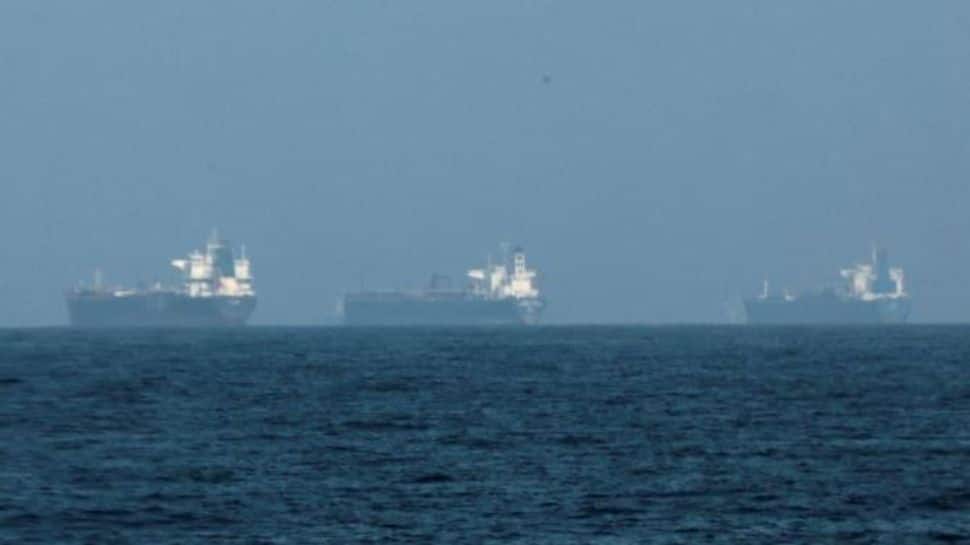
US-Israel-Iran War: Unable to continue their journey, 28 ships heading to India are anchored in the Persian Gulf as of March 30. Among them, 18 vessels fly the Indian flag, while the rest 10 are foreign tankers carrying crude oil, liquefied petroleum gas (LPG) and liquefied natural gas (LNG) to Indian ports. The prolonged wait has brought the reliability of transit through the Strait of Hormuz under scrutiny.
The shipping industry and Indian authorities are keeping a watch on the situation, especially since the passage of these vessels is critical to maintaining uninterrupted fuel and gas supplies.
Foreign tankers carrying fuel to India
According to Rajesh Sinha, special secretary at the Ministry of Shipping, the 10 foreign tankers presently anchored include three carrying LPG, three with LNG and four loaded with crude oil. “These shipments are important, and we are monitoring them continuously,” he said in an interview with TOI.
Priority for Indian-flagged ships
He claimed that ensuring that Indian-flagged ships pass through Hormuz safely is the government’s top priority. Two LPG tankers, carrying 94,000 metric tons of cooking gas, were recently cleared to transit. These vessels are expected to arrive at Mumbai and New Mangalore ports within the next couple of days.
Since the onset of the war between US-Israel alliance and Iran, at least four Indian-flagged tankers have successfully crossed the Strait of Hormuz and reached Indian shores. “We are giving priority to our national fleet,” Sinha emphasised.
No immediate plan for returning ships
Asked whether the empty ships will return to the Gulf for reloading, he said, “We have not reached the stage where we are sending Indian ships back.”
The statement highlighted the uncertainty that shipping companies are presently navigating.
Risk extends beyond the strait
The danger is not limited to the narrow passage of Hormuz. The outer areas of the Gulf are also considered high-risk zones. Increased insurance premiums for commercial shipping shows the heightened threat, and authorities warn that these costs may rise further if tensions continue.
Slow clearance from Iran
India’s first LPG tankers managed to pass through Hormuz in mid-March, followed by two more at the end of March. However, the pace of approvals has been slow since then, suggesting that Tehran is granting limited permissions even to friendly nations.
Officials expect that once the Iranian parliament approves toll exemptions, the transit process could accelerate, allowing more ships to pass through in a timely manner.


