
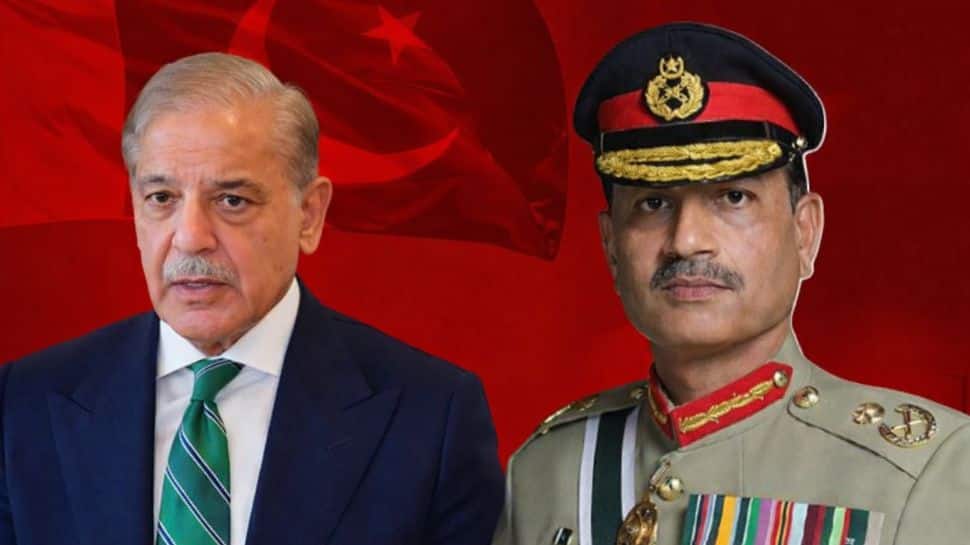
Amid the ongoing US-Iran conflict, Pakistan’s bid to project itself as a ‘mediator’ is facing increasing scepticism, with its role appearing more symbolic than substantive. At present, available indicators point to a limited involvement that falls short of the influence typically associated with shaping high-stakes diplomatic outcomes.
Reports have highlighted that Pakistan has been actively positioning itself as a ‘mediator’ in the ongoing tensions in West Asia, even hosting meetings involving countries like Turkey, Egypt, and Saudi Arabia. However, the key parties to the conflict, the United States, Iran, and Israel, were absent from these engagements.
According to IANS, a report by Hong Kong-based Asia Times noted that Pakistan’s outreach must be viewed in a broader strategic context. The conflict itself has become more prolonged and complex than initially anticipated, with disruptions to energy supplies adding to global concerns.
The report further stated that several Gulf nations are unable to play the role of mediator as they are active stakeholders in the conflict. In this backdrop, Pakistan appears keen to fill the vacuum, though the rationale behind this push remains under scrutiny.
Several factors explain Islamabad’s activism. Its defence ties with Gulf countries could potentially draw it into the conflict if tensions escalate further. Pakistan recently signed a mutual defence agreement with Saudi Arabia, which includes a North Atlantic Treaty Organisation (NATO)-like clause under which an attack on one is considered an attack on both.
At the same time, Pakistan’s internal dynamics remain sensitive, including domestic reactions and regional considerations linked to developments in Iran.
Geographic proximity to Iran further complicates the situation, while economic vulnerabilities increase the risks associated with prolonged instability.
Yet, despite this push, questions persist over the depth and, more importantly, the credibility of Pakistan’s role.
Former R&AW chief Vikram Sood downplayed Pakistan’s mediation claims. In an interview with ANI, Sood said, “He’s only providing a venue. He’s not sitting in monitoring the proceedings.”
Similarly, according to ANI, former Deputy National Security Advisor Pankaj Saran said the United States has indicated that Islamabad’s role so far has been limited to passing messages. He added that if Pakistan had the capability to independently drive peace efforts, it would not have required the involvement of multiple countries, noting that “they would have done it on their own.”
The broader geopolitical picture suggests that Pakistan’s involvement is shaped by a convergence of geography, necessity, and strategic calculation. Taken together, these factors indicate that its role appears driven less by diplomatic leverage and more by a mix of external pressures and internal compulsions.


