
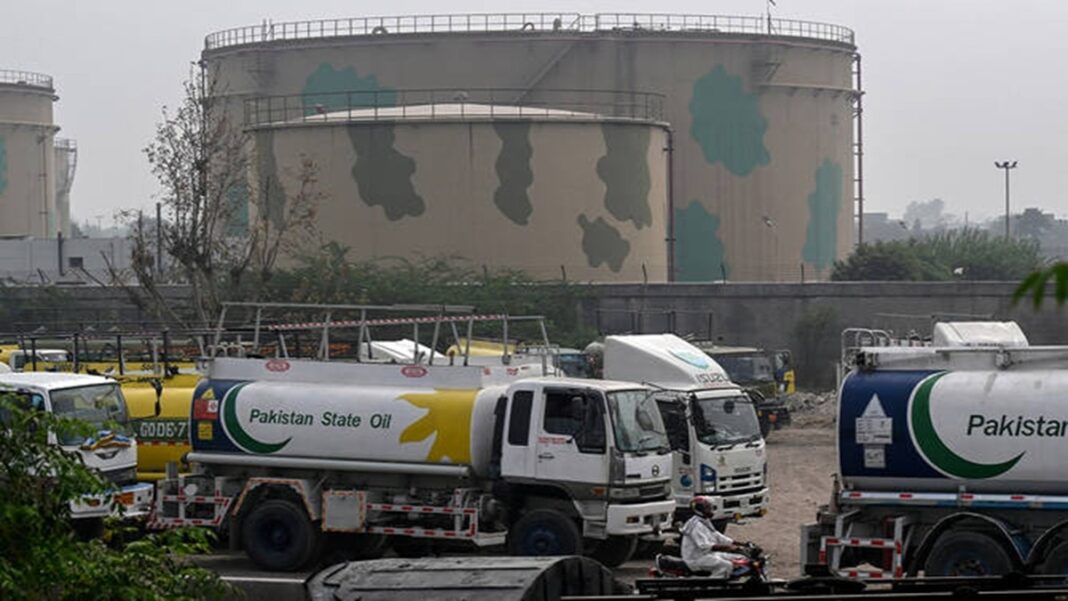
The Pakistan Army has officially activated a specialised counter-drone unit following a series of sophisticated aerial incursions by militant groups. This move comes at a critical juncture, as the country faces a severe energy crisis exacerbated by regional conflict and a direct threat to its remaining petroleum infrastructure.
India Today got exclusive information from top intelligence sources that the activation of the counter-drone unit is a response to a “paradigm shift” in militant tactics. Terrorist organisations are believed to be targeting refineries and storage depots to “decapitate” the country’s mobility. Any successful strike on a major hub, such as those operated by Pakistan State Oil (PSO), could trigger a total national shutdown.
The Tehreek-e-Taliban Pakistan (TTP), which announced the formation of its own “air force unit” in late 2025, has increasingly utilised weaponised quadcopters for standoff attacks. Security experts note that while Pakistan’s traditional air defences are designed for high-altitude threats from regional rivals, these low-flying, slow-moving drones — often acting as “aerial suicide bombers” — evade conventional radar, necessitating the deployment of “soft-kill” (jamming) and “hard-kill” (interception) technologies.
The most alarming development is the specific threat to petroleum installations. With the ongoing war involving Iran and the subsequent closure of the Strait of Hormuz, Pakistan’s energy security is hanging by a thread.
Pak Security forces have intensified patrols around the Attock and Karachi refineries. The new counter-drone units are being equipped with portable electronic jammers and rapid-response interceptors to create a “no-fly bubble” around critical energy assets.
PAKISTAN TARGETS TTP STRONGHOLDS
In recent weeks, tensions with the Tehreek-e-Taliban Pakistan have escalated sharply, with violence picking up pace on both sides of the border. Pakistani forces have carried out a series of raids in areas such as North Waziristan, Orakzai and Dera Ismail Khan, saying dozens of TTP fighters were killed in clashes. At the same time, airstrikes have targeted suspected militant hideouts across the border in Afghanistan’s Nangarhar, Paktika and Kandahar provinces, hitting camps and supply bases linked to the group.
Kabul has responded with retaliatory actions of its own. The Taliban government has repeatedly denounced Pakistan’s cross-border airstrikes as “blatant violation of sovereignty” and a breach of international law, claiming the attacks struck civilian homes. Afghanistan had launched large-scale offensive operations along the Durand Line, including ground clashes and drone strikes targeting Pakistani military positions.
The brief truce had been put in place by both sides around the Muslim holiday of Eid al-Fitr, offering a short pause in tensions. However, fighting resumed along the Afghanistan-Pakistan border last week.


