Most people outside Delhi-NCR have barely heard of Loni. But the small industrial town in Ghaziabad, Uttar Pradesh, now holds a title no city wants.
Loni ranked top in the most polluted places on Earth.
IQAir’s 2025 World Air Quality Report, which analysed data from over 9,400 cities across 143 countries, found Loni recording an annual average PM2.5 concentration of 112.5 micrograms per cubic metre, which is more than 22 times the WHO-recommended safe limit.
That level of persistent pollution is not just a bad year but a problematic pattern years in the making. But what really creates and compounds the problem is a simple question with a more nuanced answer, without a single culprit to blame.
WHY IS LONI SO POLLUTED?
The marriage of geography and local emissions is behind the toxic air that Loni breathes.
Located in the Indo-Gangetic Plain, Loni is caught in a geographic trap common in much of northern India.
The trap has to do with how the cold winter temperatures interact and trap hotter pollutants in the atmosphere.
Warm air normally sits above cooler air, allowing pollutants to escape upward. In winter, that order flips, and a lid of warm air pins pollution close to the ground.
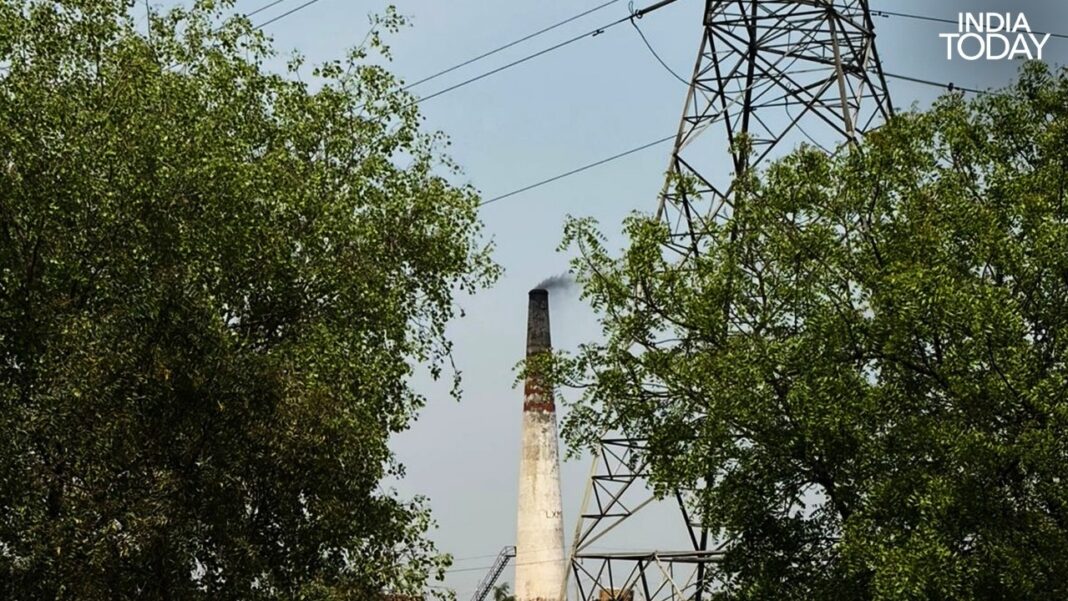
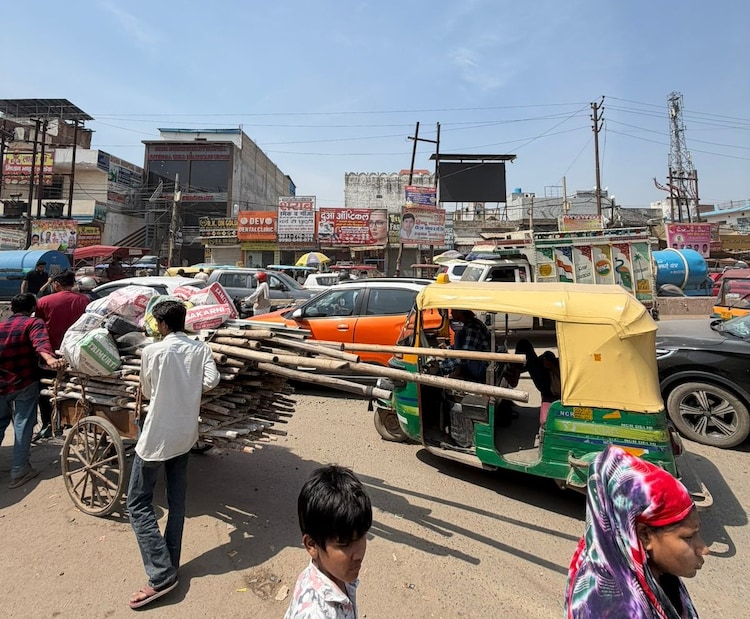
Now add to that the relentless stream of emissions from the massive number of vehicles going in and out of Loni on a daily basis. Also, add to that the brick kilns, metal processing units, and unauthorised industrial clusters that run on cheap, dirty fuels. This is what surrounds the suburban region.
Wait, there’s more. Now, further add to that the heavy flow of diesel trucks using Loni as a transit corridor between Delhi and western UP and add the dense clouds of dust that rises due to ongoing construction in and around the region and the regular burning of waste, including plastics.
In the end, you get a toxic, harmful, and suffocating concoction of gases and smells and compounds. And it goes straight to the lungs of the over 7 lakh people who live there.
WHAT DOES THE DATA SAY?
According to the UP Pollution Control Board (UPPCB)’s available ambient air quality readings for Ghaziabad, Bulandshahr and Sahibabad, the situation is worrying across the district.
Through summer 2025, AQI levels at nearby industrial sites like Sahibabad and Bulandshahr Road stayed in the “Moderate” to “Satisfactory” range, dipping as low as 72 in July when monsoon rains help scrub the air clean. But as winter set in, the numbers shot up dramatically.
By November 2025, Sahibabad hit an AQI of 321, firmly in the “Very Poor” zone, meaning even healthy people were at risk of respiratory effects with prolonged exposure.
December remained almost as bad at 289. While levels eased somewhat in January and February 2026, they stayed in the “Moderate-to-Poor” range.
The culprit again was a familiar winter cocktail. It was cold air trapping fine particulate matter (PM10 and PM2.5) close to the ground, combined with crop stubble burning, construction dust, and industrial emissions.
For Loni’s residents, who breathe this air every single day, the situation has become a part of their home. It’s an evil they have made peace with. It’s an evil they see and smell and breathe every day.