
A global energy crisis has intensified following two major developments that have sent shockwaves across the world. As more countries struggle with rising energy shortages, recent attacks on oil infrastructure and threats to key maritime routes have heightened fears of a prolonged supply disruption.
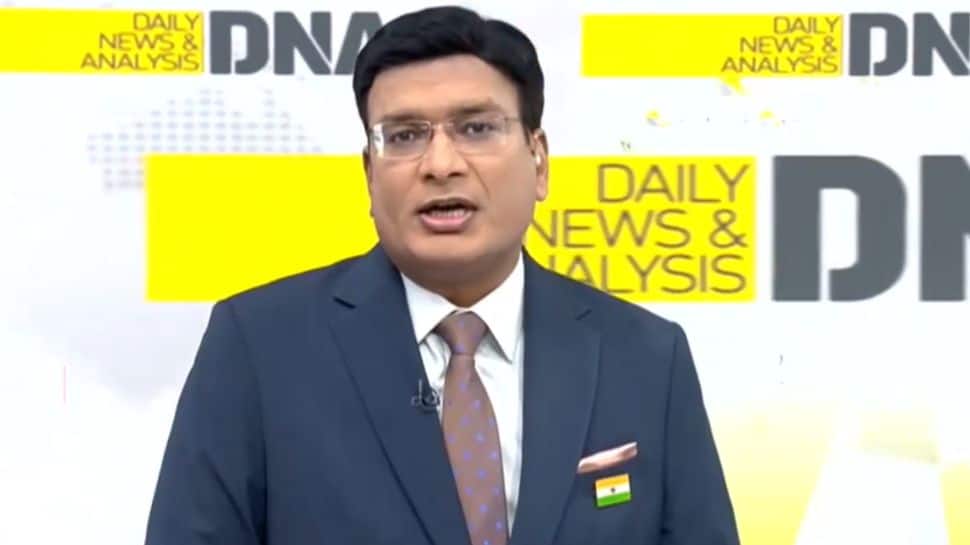
The first major development comes from Ukraine, which has expanded its strategy against Russia by directly targeting its oil economy. In a recent incident, a tanker named Altura, carrying nearly 1 million barrels of crude oil, was attacked near the Bosphorus Strait, close to Türkiye’s maritime boundary. With global crude prices hovering near $100 per barrel, the shipment was valued at approximately $100 million (over Rs. 900 crore). In today’s DNA episode, Rahul Sinha, Managing Editor of Zee News, analysed the rising concerns over a global oil crisis:
Watch DNA episode here:
Before this, Ukraine launched a large-scale drone strike on a major refinery in Russia’s Leningrad region. The attack reportedly involved more than 20 drones targeting one of Russia’s largest refineries, which processes nearly 350,000 barrels of crude oil per day, about 7 per cent of the country’s total refining capacity.
These strikes are part of a broader campaign. In recent days, Ukrainian drones have also targeted key Russian oil ports such as Primorsk and Ust-Luga in the Baltic Sea. As a result, nearly 40 per cent of Russia’s crude oil export capacity has been disrupted.
The economic impact is substantial. Reports indicate that around 2 million barrels per day of export capacity has been affected. At current market rates, this translates to an estimated loss of $200 million per day (approximately Rs. 1,800 crore daily) for Russia.
Meanwhile, after disrupting flows through the Strait of Hormuz, which accounts for nearly 20 per cent of global oil supply, Iran has now threatened to block the Bab al-Mandeb Strait, a critical chokepoint between the Arabian Peninsula and Africa.
Bab al-Mandeb handles:
12 per cent of the global seaborne oil trade
8 per cent of global LNG trade
10-12 per cent of total global trade, worth nearly $1 trillion (Rs. 94 lakh crore) annually
If Iran follows through on its threat, the combined disruption from Hormuz (20 per cent) and Bab al-Mandeb (12 per cent) could impact up to 32 per cent of the world’s oil supply.
The situation has been further complicated by rising military tensions. Israel has claimed that it has eliminated a senior Iranian naval commander believed to be instrumental in executing the Hormuz blockade strategy. While Iran has not officially confirmed the development.
The combined impact of these developments is creating heightened tensions in global energy markets.


