
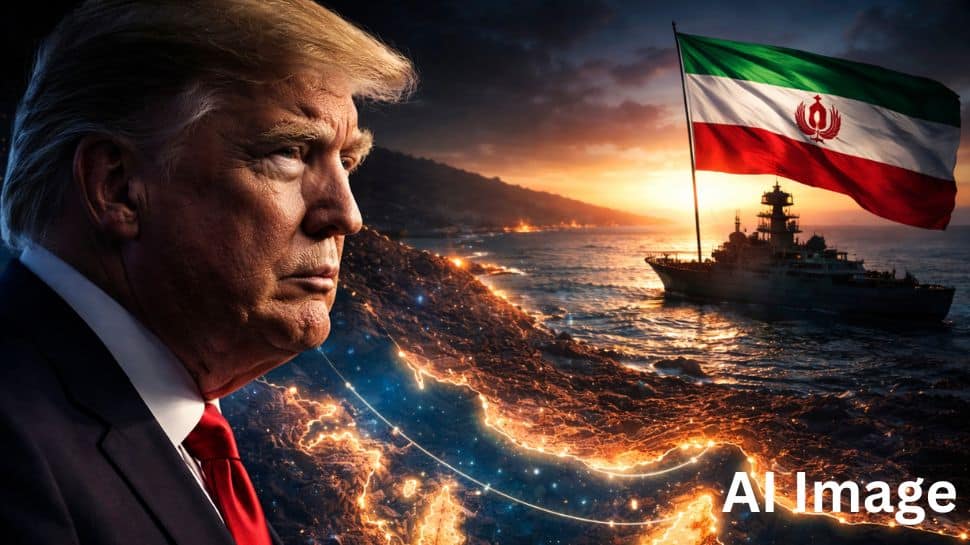
Iran has set tough conditions for renewed talks with the US, demanding base closures, sanctions relief, and greater control over the Strait of Hormuz, even as signs of limited flexibility emerge behind the scenes.
Signalling a high bar for re-entering ceasefire negotiations, Tehran has called for the shutdown of all US military bases in the Gulf and the full lifting of sanctions imposed on it. It has also demanded financial compensation for wartime damage.
Additionally, Iran has proposed a framework to collect fees from ships passing through the Strait of Hormuz and has pushed for a new arrangement that would place the strategic waterway under its control. It has further insisted on firm guarantees to prevent future hostilities.
At the same time, there are indications of potential flexibility. Iran may consider halting its ballistic missile programme for five years and reducing uranium enrichment levels, according to India Today. It is also reportedly open to discussions on its stockpile of 60% enriched uranium, may allow IAEA inspections of its centrifuges, and could consider ending support for regional proxy groups such as Hezbollah, Hamas, and Iraqi militias.
Despite these signals, Iranian officials have publicly taken a hardline stance. One official mocked the US leadership, warning that American economic interests would remain under pressure. This contrast between public rhetoric and private flexibility highlights the complexity and uncertainty surrounding the negotiations.
Iran has also expressed suspicion over US President Donald Trump’s proposed 15-point plan to end the conflict, stating that it has been misled in previous diplomatic engagements and does not want to be “fooled again,” according to Axios.
Tehran’s mistrust stems from past incidents. Last June, Israel reportedly carried out strikes on Iran with US backing shortly before scheduled nuclear negotiations. In another instance three weeks ago, a preliminary understanding was reached in Geneva to continue discussions, but military action followed soon after.
The latest developments come after Washington shared a 15-point framework with Iran through intermediaries, aimed at ending hostilities and addressing concerns over Tehran’s nuclear programme.
Middle East War: Iran Vs Israel-US
The Iran vs Israel US war started on February 28, when a joint US-Israeli strike reportedly killed Supreme Leader Ayatollah Ali Khamenei and several top Iranian officials. Iran responded with large-scale missile and drone attacks on American military bases across West Asia, hitting sites in Iraq, Qatar, the UAE, Bahrain, Kuwait, and Saudi Arabia.
Since the fighting began, more than 2,300 people have been killed inside Iran, including over 1,300 civilians. Among the dead are nearly 200 children under the age of 12.


