
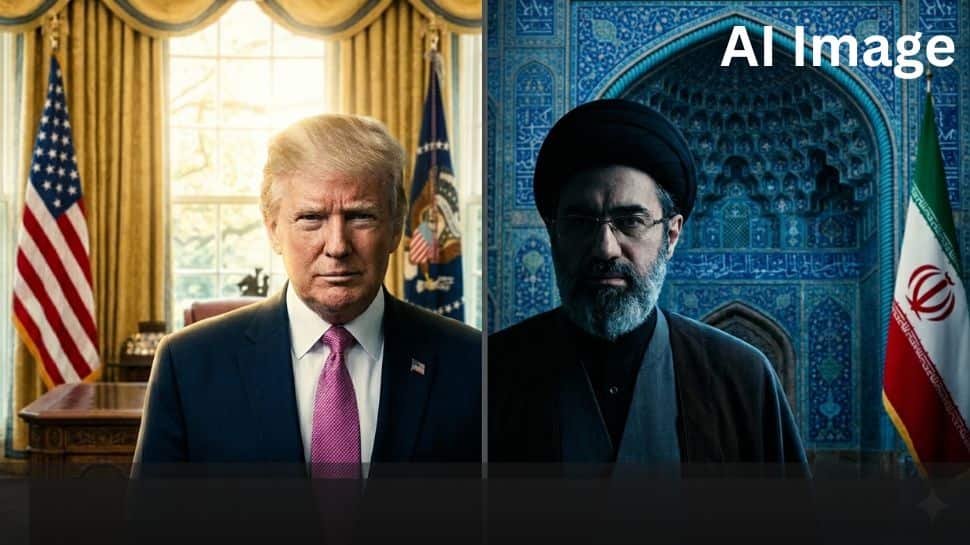
Iran has expressed suspicion over US President Donald Trump’s proposed 15-point plan to end the conflict, stating that it has been misled in previous diplomatic engagements and does not want to be “fooled again,” according to Axios.
Iranian officials have conveyed their concerns to mediators, including Pakistan, Egypt, and Turkey. They argue that recent US military deployments, along with Trump’s decision to send additional troops to the Middle East, have heightened doubts about whether the push for talks reflects genuine diplomacy or a strategic diversion.
Tehran’s mistrust is rooted in earlier incidents. Last June, Israel reportedly carried out strikes on Iran with US backing shortly before scheduled nuclear negotiations. In another instance, three weeks ago, a preliminary understanding was reached in Geneva to continue discussions, but military action followed soon after.
US peace plan push
The latest developments come after Washington shared a 15-point framework with Iran through intermediaries, aimed at ending hostilities and addressing concerns over Tehran’s nuclear programme.
According to reports, the proposal includes a temporary ceasefire, restrictions on nuclear enrichment, international oversight of nuclear material, and limitations on Iran’s missile programme. It also calls for curbing Tehran’s support for regional proxy groups and ensuring the reopening of the Strait of Hormuz.
In return, the United States has indicated a willingness to ease sanctions and support civilian nuclear energy under international supervision.
The proposal has been communicated via diplomatic channels, with Pakistan playing a key role alongside Turkey and Egypt in facilitating dialogue between the two sides, as reported by international media outlets.
Despite these efforts, significant differences remain. Tensions continue across the region, with ongoing military activity and strategic posturing on both sides, underscoring the fragile nature of the current situation.
Middle East War: Iran Vs Israel-US
The Iran vs Israel US war started on February 28, when a joint US-Israeli strike reportedly killed Supreme Leader Ayatollah Ali Khamenei and several top Iranian officials. Iran responded with large-scale missile and drone attacks on American military bases across West Asia, hitting sites in Iraq, Qatar, the UAE, Bahrain, Kuwait, and Saudi Arabia.
Since the fighting began, more than 2,300 people have been killed inside Iran, including over 1,300 civilians. Among the dead are nearly 200 children under the age of 12.
Iranian officials have suggested they may stop attacking neighbouring countries on the condition that those countries are not being used as launchpads for strikes against Iran.
From an economic perspective, this conflict has thrown global markets into complete turmoil. Amidst Iran’s threat to permanently close the Strait of Hormuz to any country aiding the US-Israel alliance, oil prices have witnessed unprecedented volatility.


