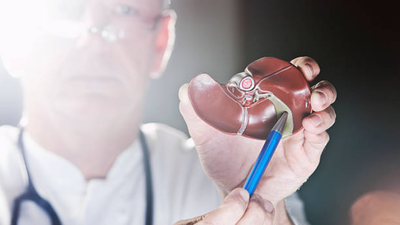
Gallstone is one of the most common and manageable issues. These are the deposits of bile salts in digestive fluids which form in the liver and get stored in the gallbladder, a small organ which is located beneath the liver. Individuals who suffer from gallstones may remain asymptomatic; however, the risk profile changes when the patient suffers from diabetes.
“In people suffering from certain medical conditions like diabetes, untreated gallstones can quickly turn into a very serious and potentially life threatening condition,” says Dr. Usha Maheshwari, Sr. Consultant- General & Laparoscopic Surgery, Apollo Spectra Hospital, Delhi. Delay in treatment specially in diabetic patients can lead to severe infections, complications like, in rare cases rupture of the gallbladder, the doctor adds.
Why diabetics are at higher risk
People suffering from diabetes are more prone to develop gallstones due to metabolic changes, obesity and altered level of cholesterol. Damage to nerves is mainly caused by prolonged high blood sugar that can also blunt the perception of pain. This means that a diabetic patient may not experience the classic severe abdominal pain that typically signals the gallbladder inflammation. As a result of which the condition may progress silently, By the time symptoms become more noticeable, infection may already have set in.
Risk of infection and complications
Poor control of blood sugar weakens the body infection fighting capacity, allowing bacteria to multiply quickly. This also increases the risk of gangrenous cholecystitis (tissue death in the wall of gallbladder), abscess formation and sepsis (bloodstream infection) and gallbladder perforation or rupture. Rupture of gallbladder is considered a medical emergency. If the infected bile leaks into the abdominal cavity then it can cause life-threatening peritonitis. Diabetic patients are at a very high risk of developing complicated gallbladder infections as compared to non-diabetics. What might be a manageable condition in others can also turn aggressive in someone with uncontrolled diabetes.
Kidney health and hydration: Why ‘just drink more fluid’ isn’t the full story
Subtle symptoms in diabetics
Classic symptoms of gallstones mainly include sharp pain in the upper right abdomen, nausea, vomiting and fever as well. Some may experience only mild abdominal discomfort, bloating or indigestion, low grade fever and general weakness as well. These symptoms may be mistaken for the routine digestive problems and diagnosis can get delayed. Doctors also advise diabetic individuals to seek immediate medical evaluation if they experience a persistent abdominal discomfort mainly after fatty meals or unexplained fever.
Importance of early detection
Gallstones can be easily detected through ultrasound imaging. In diabetic patients, early surgical intervention is often recommended if symptoms are minimal. Elective laparoscopic gallbladder removal is considered safe and prevents future complications as well. It is a least traumatic surgery with fast post operative recovery when done in time. Maintaining good glycemic control is also very much crucial. Stable level of blood sugar improves the immune response and reduces post operative risk.
Prevention and awareness
Certain lifestyle habits such as maintaining healthy body weight, eating a balanced, low-fat diet, avoiding rapid loss of weight, keeping blood sugar under control and staying physically active as well can reduce the risk of gallstones.
Medical experts consulted
This article includes expert inputs shared with TOI Health by:
Dr. Usha Maheshwari, Sr. Consultant- General & Laparoscopic Surgery, Apollo Spectra Hospital, Delhi
Inputs were used to explain why diabetics are more prone to gallstones. The doctor has revealed symptoms and the risks associated with this dual health condition.