The morning routine of going to school has taken on a chilling new meaning for children in parts of the Middle East.
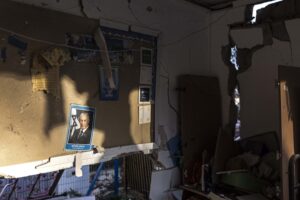
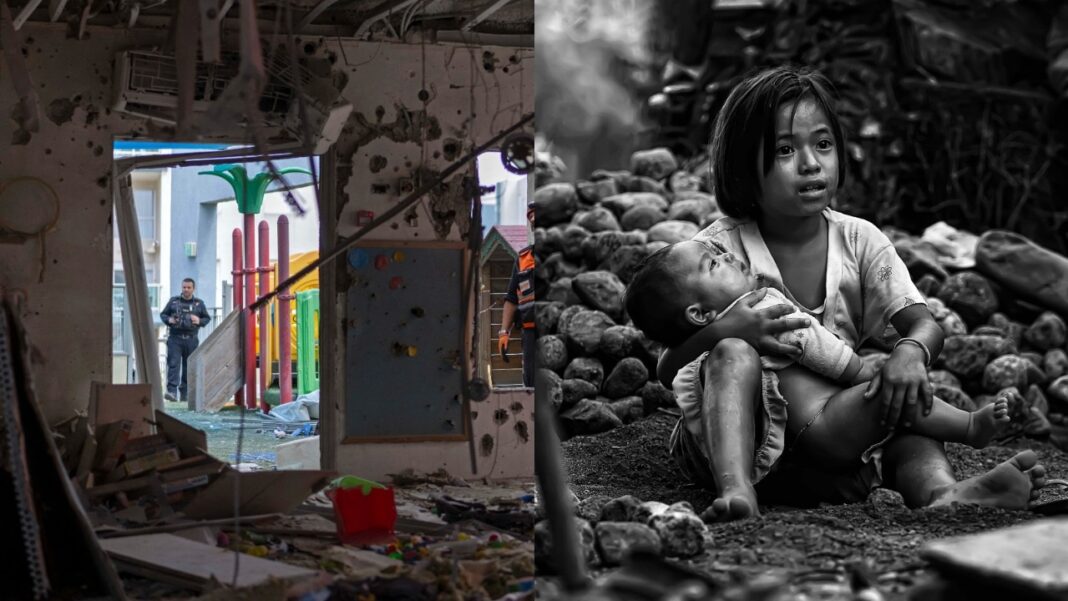
In 2026, as tensions continue between Israel and Iran, classrooms are no longer just spaces for learning. They are now bunkers, Zoom screens, and in some cases, rubble.
For many students, the school bell has been replaced by air raid sirens.
A CLASSROOM INSIDE A BUNKER
In Israel, schools have been shut nationwide at multiple points due to security alerts. The education system has shifted to remote learning, but under conditions far more volatile than the pandemic.
Students attend online classes while staying within seconds of bomb shelters. According to government advisories, civilians in high-risk zones often have less than 30 seconds to take cover after a siren.
Teachers are now doubling up as counsellors. Reports indicate that structured “emotional check-ins” have become a daily part of classes, with dedicated helplines and support systems rolled out for students.
Institutions like the Hebrew University of Jerusalem have also moved lectures online to prevent academic loss.
WHEN SCHOOLS TURN INTO STATISTICS
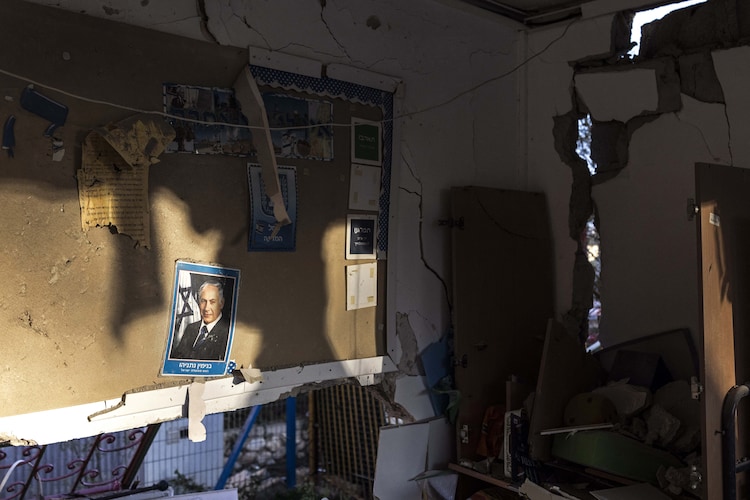
In Iran, the disruption is deeper and more physical. Schools have not just closed, many have been damaged or destroyed in strikes.
While exact numbers remain fluid due to restricted reporting, conflict monitoring groups and rights organisations have flagged multiple incidents involving educational infrastructure. Civilian casualties, including children, have been reported in several attacks.
More critically, internet instability and power outages have made remote learning inconsistent. In many areas, schooling has effectively stopped.
THE GLOBAL DATA ON WAR AND EDUCATION
The crisis fits into a much larger global pattern.
According to UNESCO, more than 222 million children worldwide have had their education disrupted by conflicts, disasters and displacement.
Out of these:
- Around 78 million children are completely out of school
- Nearly 119 million are not achieving minimum reading proficiency despite being enrolled
- Conflict-affected children are twice as likely to drop out compared to those in stable regions
A separate estimate by Save the Children suggests that prolonged conflict exposure can reduce a child’s lifetime earnings by up to 10%, due to lost learning and skill gaps.
TRAUMA IS NOW PART OF THE CURRICULUM
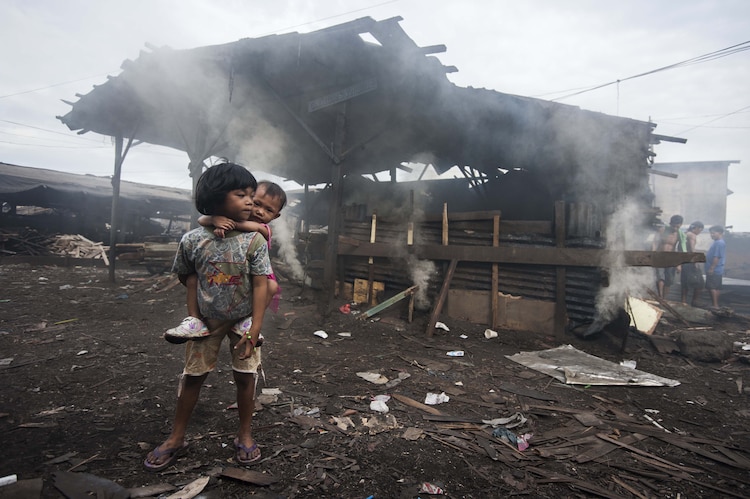
Beyond academics, the psychological toll is rising sharply.
Studies from previous conflict zones show that:
- Up to 1 in 5 children in war areas develop mental health conditions
- Exposure to repeated violence affects memory, focus and decision-making
- Younger children are more likely to develop long-term anxiety and behavioural issues
This means even if schools reopen, learning recovery could take years.
INDIAN STUDENTS CAUGHT IN BETWEEN
The crisis has also affected international students. Nearly 2,000 Indian students in Iran, many studying medicine, have faced evacuation challenges.
With flights disrupted and safety risks increasing, many attempted exits via neighbouring countries. For them, academic continuity has been replaced by emergency survival planning.
WORSE THAN THE PANDEMIC?
During COVID-19, classrooms shifted online but homes remained safe.
In conflict zones, even homes are uncertain.
The World Bank had earlier estimated that pandemic-related school closures could result in a $17 trillion lifetime earnings loss globally.
Experts now warn that war-driven disruptions, layered on top of pandemic losses, could deepen this crisis further.
THE BIGGER PICTURE
Education experts say the warning signs are clear.
When children start recognising missile sounds before school bells, the impact goes far beyond missed classes. It reshapes how they think, learn and grow.
Wars do not just pause education. They rewrite it.
And for millions of children caught in the crossfire, the cost may not be measured in days or months, but in lost futures.