
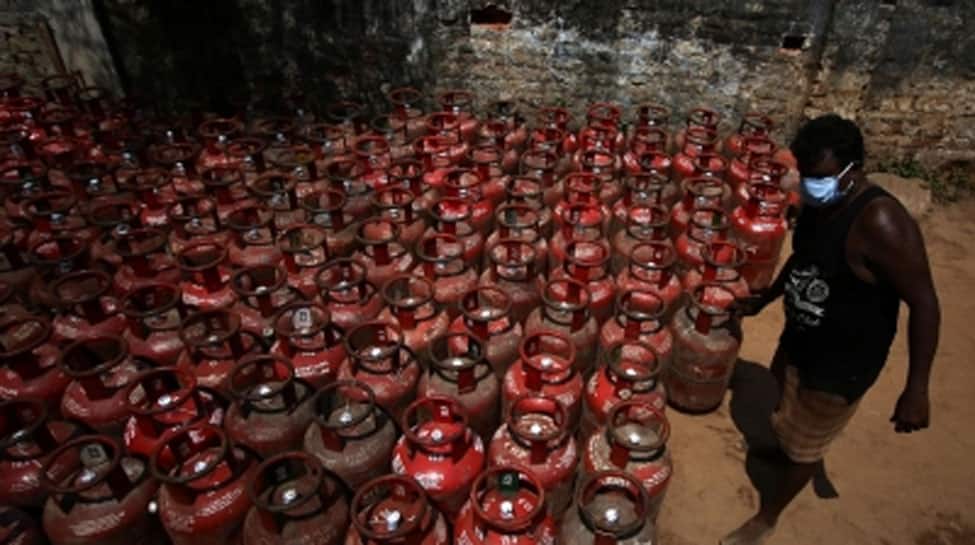
New Delhi: To extend current supplies and enable more families to continue receiving LPG during the shortage, the state-run oil marketing companies of India are reportedly considering a proposal to distribute only 10 kg of LPG in the standard 14.2 kg domestic cylinders.
According to an industry executive cited in an Economic Times report, the focus is on conserving supplies while maintaining access for households. The move comes amid declining domestic inventories and reduced imports related to the ongoing Iran conflict, according to industry executives.
For an average family, currently a 14.2 kg cylinder typically lasts for 35 to 40 days. As per officials cited by Economic Times, a 10 kg refill could still meet the needs of a household for nearly a month which will create a way for a wider distribution of available stock.
The cylinders would carry updated labels clearly indicating the reduced quantity and prices adjusted accordingly, if implemented. However, operational adjustments would be required such as recalibration of weighing systems at bottling plants and possible regulatory clearances.
Executives cited by ET expressed concern that the move could lead to public confusion, protests and political backlash especially with assembly elections set to take place across key states. Despite these concerns, they caution that supply pressures may worsen over the next few weeks and leave limited alternatives as LPG availability continues to decrease.
Meanwhile, Petroleum Ministry Joint Secretary Sujata Sharma has described the LPG issue as worrisome and emphasised the need for conservation. The government has also issued advisories to encourage judicious use of LPG and prevent panic buying.
Shipments through the Strait of Hormuz have been disrupted amid the ongoing Iran conflict that has made LPG more scarce. LPG imports into India have been drastically reduced because of the disruption. Industry data shows that only a few vessels were able to cross the strait last week which carried volumes equivalent to roughly the national consumption of a day and no new cargoes are now headed to Indian shores.


