
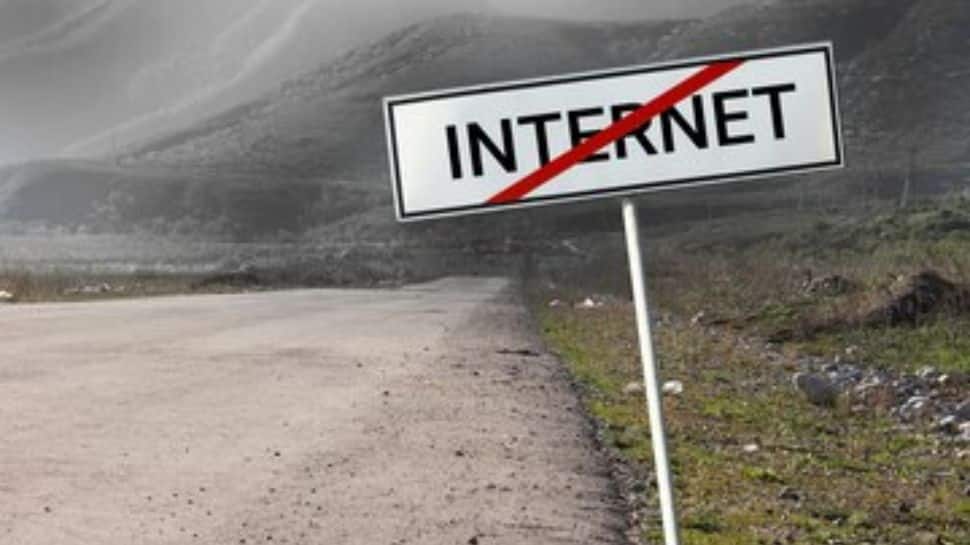
Countries with no internet: In a world where the internet powers everything from banking to education, imagine a country where most people are still offline. People in this country do not have access to the internet even in the 21st century. Eritrea is often described as one of the least connected nations in the world, with extremely limited internet access for its citizens.
Eritrea has one of the lowest internet penetration rates globally. According to international estimates, only a very small percentage of the population has access to the internet. Most people rely on traditional communication methods, and digital connectivity is rare outside major cities.
Strict government control
The internet in Eritrea is tightly controlled by the government. Access is mainly available through state-run networks, and there are strict restrictions on usage. Private internet services are limited, and authorities closely monitor online activity, making free access difficult for ordinary citizens.
Limited infrastructure and technology
Another major reason behind low connectivity in Eritrea is poor infrastructure. Broadband services are not widely available, and mobile internet coverage is limited. High costs and slow speeds further discourage usage, even for those who can access the network.
Public access is restricted
In Eritrea, internet cafes exist but are limited in number and heavily regulated. Many citizens do not own personal computers or smartphones with internet access. This creates a wide digital gap between Eritrea and most other countries.
The lack of internet affects education, business, and communication. Students have limited access to online learning resources, and businesses cannot easily connect with global markets. The flow of information is slower compared to the rest of the world.
While the world is moving towards faster digital growth, Eritrea continues to lag behind. For now, it is one of the least connected countries, highlighting the global digital divide.


