
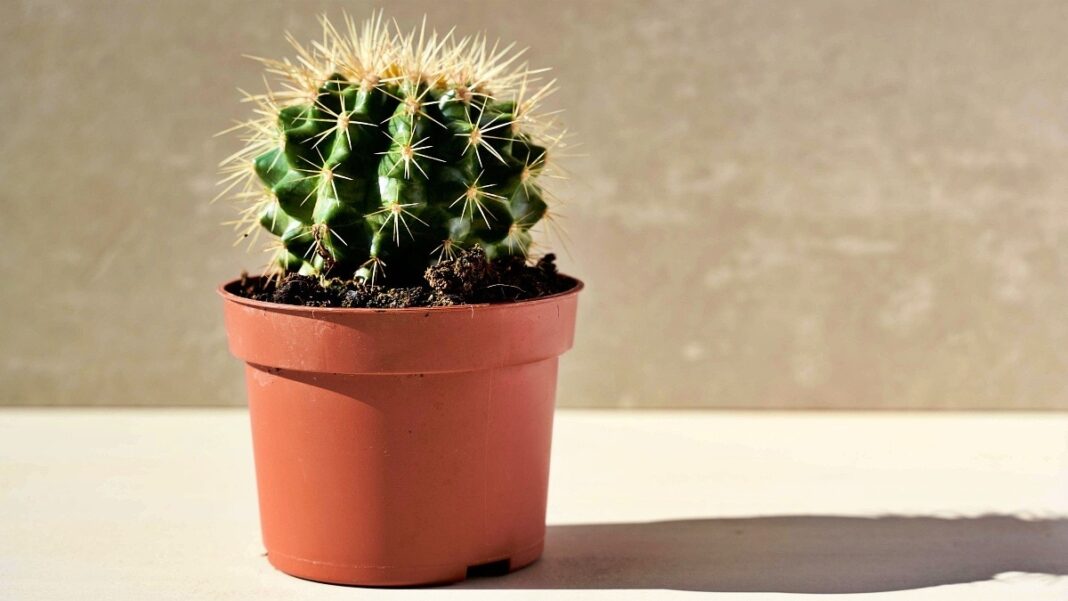
Think that cactus in the pot is growing too slow? Science says you are wrong

Cacti, often seen as slow-growing desert survivors, may actually be among the fastest-evolving plant groups on Earth, according to new research that challenges long-standing ideas about how plant species form.

A study by scientists at the University of Reading, published in Biology Letters, reveals that cacti rapidly generate new species not because of their flower size or specialised pollinators, but due to how quickly their flowers change shape over time.

Biologists have traditionally believed that specialised flowers and pollinators, an idea dating back to Charles Darwin’s work on orchids, play the key role in driving plant evolution. However, the new findings suggest a different mechanism at work in cacti.

Researchers analysed flower length data from more than 750 cactus species, spanning a vast size range from just 2 millimetres to 37 centimetres. Surprisingly, they found almost no link between flower size and how quickly new species emerged.
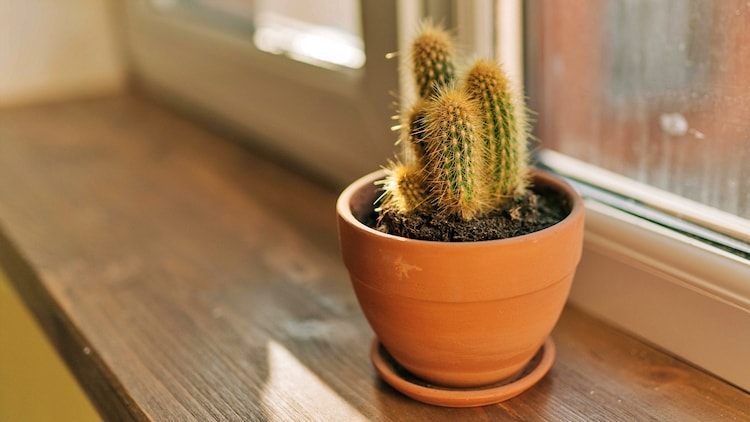
Cactus

Researchers hope it will provide a crucial tool for understanding how these iconic plants may respond to accelerating climate change. (Photo: Getty)

Instead, the study identified a strong connection between the rate of floral change and speciation. Species whose flowers evolved more rapidly were significantly more likely to split into new species, both in recent times and across deep evolutionary history.

“People may think of cacti as tough, slow-growing plants, but our research shows that the cactus family is one of the fastest-evolving plant groups on Earth,” said lead author Jamie Thompson. “What matters is how quickly flowers change shape, not how large or specialised they are.”

The findings also reshape understanding of desert ecosystems. Rather than being static and unchanging, deserts may be centres of rapid evolutionary activity, with cacti diversifying over the past 20 to 35 million years into nearly 1,850 species across the Americas.

Beyond theory, the research carries important implications for conservation. Nearly one-third of cactus species are currently threatened with extinction. Scientists say focusing on how quickly species evolve, rather than just physical traits, could help identify which are most at risk.

The study was supported by a new global database, CactEcoDB, which compiles seven years of data on cactus traits, habitats, and evolutionary relationships.

Researchers hope it will provide a crucial tool for understanding how these iconic plants may respond to accelerating climate change.

The discovery points to a broader shift in evolutionary biology: that speed of change, not just form, may hold the key to how life diversifies.


Latest

California heat dome shatters 100-year records. Is the worst still to come?

A ferocious heat dome has pushed temperatures past 100 degrees Fahrenheit across California, Nevada and Arizona, smashing records that stood for over a century.

NASA space launch: Artemis 2 rocket roll-out tonight! 5 big updates on moon mission

NASA decided to roll out the giant Artemis 2 moon rocket on March 19 (local time). Here's all you need to know about the US' moon mission.

Delhi set for a cold Friday as heavy rain rolls in, temperatures to drop sharply

Delhi is set to witness one of its coldest days in March on Friday, with maximum temperatures plunging to near-winter levels amid heavy rain and thunderstorms.

Nasa’s Perseverance rover discovers oldest river on Mars buried under the surface

Water is considered the basic building block for life as we know it. An extended water history on Mars widens the window of opportunity for life to have once em

This US company will deliver sunlight at night. Here’s how much it will cost

The idea has captured public imagination, with the company claiming that around 2.6 lakh people have already expressed interest.

Topics

Sanitation security and kidney stones in women

When fluid intake drops, urine becomes more concentrated, increasing the supersaturation of calcium oxalate and uric acid crystals that form stones. In simple t

Chaitra Navratri 2026 Day 2: Who is Maa Brahmacharini? Know puja vidhi, samagri, bhog, and auspicious colour of the day

Chaitra Navratri 2026 Day 2: Maa Brahmacharini, worshipped on day 2 of Navratri, symbolises virtues like penance and self-discipline. 

Quote of the day by Rihanna: ‘I always believed that when you follow your heart or your gut…’

Rihanna inspires us to trust our instincts and pursue our passions fearlessly. Her words remind us that following what feels right leads to fulfillment. 

Bharti Singh finally reveals face of her second son Yashveer; fans call him Haarsh Limbachiyaa’s ‘carbon copy’. Watch

Fans expressed their affection for Bharti Singh and Haarsh Limbachiyaa's baby Yashveer, aka Kaju, comparing his looks to both parents.

Dhurandhar 2 actor who played Bade Saab recalls asking ‘who’s Dawood’, doing ‘lot of psychological preparation’ for role

The actor who played Bade Saab in Dhurandhar 2 talked about the detailing that went into the character he played, apart from his performance.

‘Remove nuclear, missile threats’: Netanyahu outlines 3 goals in Israel’s war against Iran

Israeli Prime Minister Benjamin Netanyahu outlined goals in the war against Iran, including creating conditions for the Iranian people to secure freedom

James Gracey: Insta, LinkedIn profiles in focus after body found in Spain; father Taras, mother Therese issue statement

Reports indicate that the body of James Gracey, aka Jimmy, was found in Barcelona, Spain, after his mother reported him missing. 

Netanyahu ‘Jesus’ row: Israel PM’s ‘no advantage over Genghis Khan’ remark sparks row; ‘anti-Christian’

Netanyahu’s remark comparing Jesus to Genghis Khan during a war briefing sparked backlash online, with critics accusing him of making anti-Christian comments.
spot_img

Related Articles

Popular Categories

spot_imgspot_img
