
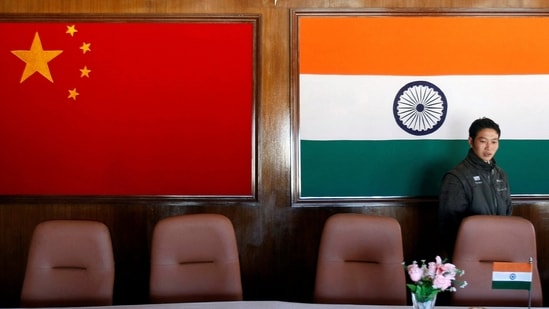
India’s decision to ease FDI rules for neighbouring countries may reopen the door to China, but strict ownership limits mean large firms such as BYD Co. and Great Wall Motor Co. will still face same screening requirements.
On Tuesday, New Delhi relaxed FDI rules for investments from countries sharing a land border with India, allowing automatic approval for non-controlling stake of up to 10%, subject to compliance requirements. The changes underscore India’s push to attract capital, while highlighting continued caution toward China.
“We are opening up in a strategic and calibrated manner,” Amardeep Singh Bhatia, secretary in the Department of Commerce told reporters in New Delhi. “It’s a changing world and the opening up doesn’t mean that concerns with regards to security have gone away.”
The easing stops well short of restoring full parity for investors from neighboring countries, who will continue to face additional scrutiny and restrictions compared with other foreign firms. While the move signals a cautious thaw with China and an effort to bolster growth amid Middle East-driven uncertainty, companies such as BYD and other major investors would still face ownership and regulatory hurdles before making major commitments.
India had introduced the so-called Press Note 3 rules in April 2020, mostly aimed at tightening scrutiny of investments amid deteriorating ties with China, which culminated in a Himalayan clash later that year. Economic relations between the neighbouring nations have since shown signs of thawing as high US tariffs reshaped global trade flows.
“The selective easing signals a pragmatic recognition of an important macroeconomic reality,” said Madhavi Arora, chief economist at Emkay Global Financial Services. “India remains a capital-constrained economy that requires need for deeper integration with global capital and global technology transfers and know-how.”
New Timeline
The changes set a 60-day approval timeline for investments in sectors such as electronic components, rare earth magnets and wafers. Officials familiar with the matter in New Delhi said the move aims to balance strategic concerns with economic needs. While wider restrictions stay in place, it could increase inflows from private equity and venture capital in non-strategic sectors, the officials said, declining to be identified.
A spokesperson for the industry department didn’t respond to an email seeking comments. India has retained safeguards by giving concessions only to investors who hold up to 10% non-controlling stakes.
“It’s a fairly cautious opening as no country can do manufacturing without some cooperation from China and especially in the electronics sector,” said Ashok Malik, New Delhi-based partner at The Asia Group, a business consulting firm. India has “started manufacturing and there is need for more tie-ups with Chinese equipment manufacturers”.
Companies had sought automatic approval for up to 26% Chinese ownership in Indian joint ventures, industry officials said, declining to be identified.
New Delhi had last year rejected BYD’s $1 billion investment proposal with a local partner, while another Chinese carmaker, Great Wall Motor, exited India after failing to secure regulatory clearances. Even so, BYD is considering assembling semi-knocked-down kits in the country, Bloomberg News previously reported.
For global funds, the relaxation provides clarity and will help improve capital inflows, said Pratibha Jain, general counsel and head of strategy at Everstone Group. “By bringing greater clarity to the treatment of beneficial ownership and minority participation in global fund structures, the revised policy addresses a long-standing ambiguity for the private equity and venture capital industry.”


