
Japan has asked the US to spare it from a planned tariff increase from 10% to 15% — underscoring fears that higher duties could hit the country’s automobile industry.
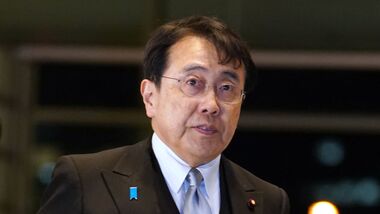
“We asked that Japan not be included in any increase to 15%,” Trade Minister Ryosei Akazawa told reporters in Washington after meeting with US Commerce Secretary Howard Lutnick ahead of the March 19 leaders’ summit. He also stressed that Japan’s treatment “should not become more disadvantageous than under last year’s Japan–US agreement.”
The request highlights Tokyo’s concern that higher tariffs could erode the concessions it secured in 2025, particularly on autos, its largest manufacturing sector. While the US Supreme Court invalidated much of President Donald Trump’s earlier tariff regime, duties on cars, steel and aluminum were left intact — meaning Japan’s gains are fragile if the US broadens the levy.
At stake is not only trade balance but also the Strategic Investment Initiative, a $550 billion program designed to channel Japanese financing into US projects. Under the deal, the US can raise tariffs if Tokyo fails to deliver funding on schedule.
Japan has already pledged up to $36 billion for an initial round, including a 9.2 gigawatt natural gas facility in Ohio, and the Yomiuri newspaper reported on Saturday that Tokyo is weighing about ¥15 trillion ($95.1 billion) for the second tranche, with nuclear reactors from Westinghouse Electric Co. among the centerpiece projects.
“We further held in-depth ministerial discussions on the Strategic Investment Initiative and confirmed that we will continue close coordination toward structuring future projects,” Akazawa said. While confirming the progress on the first round of investments, “the main focus of this meeting was on the second round and beyond,” he added.


