

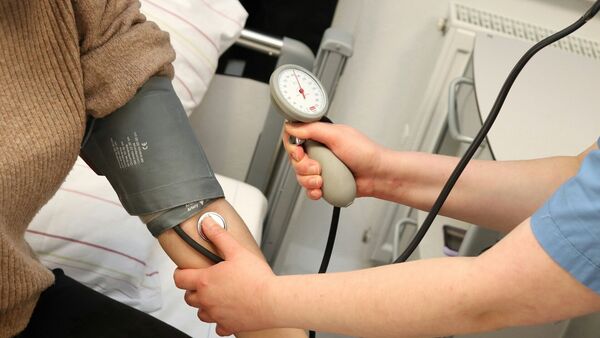
Many people are surprised when their blood pressure remains high despite cutting down on salt. They stop adding salt to food, avoid pickles and processed snacks, yet the numbers on the BP monitor barely move. According to Dr Suchismita Rajamanya, Lead Consultant and Head of Internal Medicine at Aster Whitefield Hospital, this is a common but often misunderstood situation.
Hypertension, she explains, is a complex condition influenced by far more than just visible salt intake.
Hidden sodium often goes unnoticed
One of the biggest reasons blood pressure does not respond to salt avoidance is hidden sodium in everyday foods. Packaged and processed items—including bread, biscuits, sauces, instant noodles, ready-to-eat meals and restaurant food—are major sources of sodium.
“Even foods that don’t taste salty can contain significant sodium due to preservatives and flavour enhancers,” Dr Rajamanya explains. As a result, people may unknowingly exceed daily sodium limits despite not adding salt during cooking.
Stress and poor sleep quietly raise BP
Chronic stress is another major contributor. When the body is under prolonged stress, it releases hormones such as adrenaline and cortisol. These increase heart rate and cause blood vessels to narrow, leading to higher blood pressure. Over time, repeated stress responses can result in sustained hypertension.
Sleep deprivation further worsens the problem. Inadequate or poor-quality sleep disrupts hormonal regulation and keeps the nervous system in a heightened state, making blood pressure harder to control.
Weight gain and insulin resistance play a role
Excess body weight—especially fat around the abdomen—is strongly linked to high blood pressure. Fat tissue releases inflammatory substances that interfere with normal blood vessel function. Many people with excess weight also develop insulin resistance, which affects how the kidneys manage sodium and fluids.
Dr Rajamanya points out that central obesity can exist even in people who do not appear visibly overweight, making it an often-overlooked risk factor.
Genetics and ageing cannot be ignored
Family history significantly influences blood pressure risk. People with close relatives who have hypertension are more likely to develop it, regardless of dietary habits. Genetics affects how blood vessels constrict and how efficiently the body regulates fluids.
Ageing also contributes. As people grow older, blood vessels naturally lose elasticity and become stiffer. This stiffness increases resistance to blood flow, pushing blood pressure higher over time.
Inactivity, alcohol, smoking and caffeine
A sedentary lifestyle reduces cardiovascular fitness and promotes arterial stiffness. Regular physical activity helps blood vessels stay flexible and strengthens heart function. Even moderate movement, such as brisk walking, can lower blood pressure.
Alcohol consumption, particularly when regular or excessive, can raise BP levels. Smoking damages blood vessels and reduces their ability to expand. In some individuals, high caffeine intake can cause temporary spikes in blood pressure that add up over time.
Managing BP needs a wider approach
According to Dr Rajamanya, high blood pressure usually develops due to a combination of factors rather than a single cause. Effective management requires more than just avoiding salt.
A comprehensive approach includes reducing processed foods, maintaining a healthy weight, exercising regularly, managing stress, improving sleep quality and limiting alcohol, tobacco and excessive caffeine. “Salt reduction remains important,” she says, “but long-term blood pressure control depends on addressing the bigger lifestyle and biological picture.”


